
Last Updated:
February 7, 2026
Mosquito problems rarely start at the edge of your property. In most cases, they begin quietly in overlooked areas throughout your own yard. Many homeowners associate mosquitoes with ponds or swamps, but the reality is that mosquitoes can breed in surprisingly small amounts of standing water and sheltered spaces commonly found around residential landscapes.
Identifying these hotspots early can significantly reduce mosquito activity before it escalates into a persistent seasonal issue.
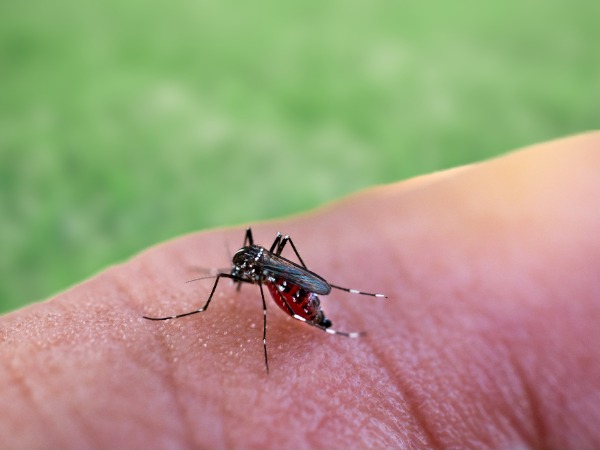
Residential yards provide everything mosquitoes need to survive and reproduce. Irrigation systems, landscaping features, shade, and organic debris all contribute to moisture retention and microclimates that mosquitoes thrive in. Even brief periods of standing water after rainfall or watering cycles can be enough for mosquito eggs to hatch.
One of the reasons mosquito problems escalate quickly is their life cycle. Mosquitoes can go from egg to adult in as little as one to two weeks under favorable conditions. This means a small, unnoticed breeding area can lead to a large population in a very short amount of time. Once established, mosquitoes tend to remain close to their breeding source, making yard-based control especially important.
Mosquito breeding areas are often hidden in plain sight. These locations consistently collect water or remain damp long enough for mosquitoes to lay eggs and larvae to develop. Even shallow water that remains undisturbed for several days can support mosquito development, making routine inspection and maintenance critical.
Some of the most common mosquito breeding areas include:
Not all mosquito breeding areas involve obvious standing water. Many landscape features retain moisture in ways that create ideal breeding conditions without appearing wet on the surface. These environments provide shade, warmth, and protection, allowing mosquitoes to breed and rest during the day before becoming active in the evening.
Common moisture-retaining areas include:
Poor drainage is one of the biggest contributors to persistent mosquito activity. When water consistently pools in the same areas, it creates a reliable breeding ground that mosquitoes return to again and again.
Drainage problems may stem from compacted soil, improper grading, damaged irrigation systems, or natural low points in the yard. Without correction, these areas can remain wet long after rainfall or watering, giving mosquitoes ample time to reproduce. Addressing drainage issues not only reduces mosquito breeding but also improves overall lawn health by preventing root damage, disease, and turf decline.
Many mosquito breeding areas go unnoticed because they don’t look problematic at first glance. Homeowners may assume mosquitoes are coming from neighboring properties, nearby wooded areas, or bodies of water farther away. In reality, mosquitoes prefer to stay close to their breeding site, often within a few hundred feet.
Because some breeding areas are temporary, appearing only after rain or irrigation, they can easily be missed during routine yard maintenance. Regular inspections after storms and proactive yard cleanup play a major role in reducing mosquito-friendly conditions before populations explode.
The most effective mosquito control strategies start with habitat reduction. Eliminating breeding areas disrupts the mosquito life cycle and reduces reliance on reactive treatments.
Simple actions such as emptying standing water, improving drainage, trimming overgrown vegetation, and managing moisture levels can significantly limit mosquito activity. When combined with professional mosquito control services, these steps help create a layered defense that keeps outdoor spaces more comfortable throughout the season.
Q: How much water do mosquitoes need to breed?
A: Mosquitoes can breed in as little as a bottle cap’s worth of standing water. Any water that remains undisturbed for several days can become a breeding site.
Q: How quickly do mosquitoes reproduce?
A: Under ideal conditions, mosquitoes can complete their life cycle in 7–14 days, allowing populations to grow rapidly if breeding areas are not addressed.
Q: Are mosquitoes only breeding in standing water?
A: Standing water is the most common breeding site, but mosquitoes also thrive in damp, shaded areas that retain moisture, such as mulch beds and dense vegetation.
Q: Why do mosquitoes seem worse after rain?
A: Rain creates new breeding areas by filling containers, low spots, and hidden pockets of the yard with water, allowing mosquito eggs to hatch.
Q: Can regular lawn maintenance help reduce mosquitoes?
A: Yes. Proper mowing, trimming, debris removal, and drainage management reduce the moisture and shelter mosquitoes need to breed and rest.
Q: Is professional mosquito control still necessary if I remove breeding areas?
A: Habitat reduction is critical, but professional mosquito control adds an extra layer of protection by targeting adult mosquitoes and larvae that may already be present.

Local lawn care services from a team that cares.