
Last Updated:
November 28, 2026
Winter weather can be tough on New Jersey lawns, especially when snow cover, freezing temperatures, and fluctuating moisture levels create conditions for lawn diseases. One problem homeowners may encounter as the snow melts is snow mold, a fungal disease that leaves discolored, matted sections of grass behind. However, not all snow mold looks or behaves the same way.
The two main types are gray snow mold and pink snow mold. Although both develop during cool weather and can damage turf as winter comes to an end, they differ in the conditions that encourage them, the symptoms they produce, and the severity of their effects. Keep reading to learn more about how to protect your lawn!
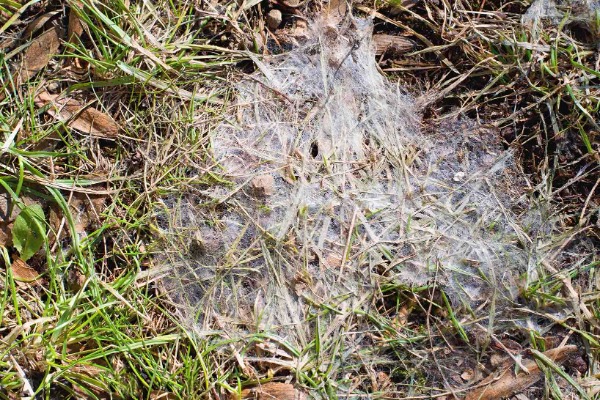
Gray snow mold, also called Typhula blight, is caused by fungi in the Typhula genus. It typically develops when grass remains covered by snow for an extended period, especially when temperatures hover around freezing.
The snow creates an insulated environment where the fungi can remain active even though the surrounding air is cold. Grass blades become matted beneath the snow, and the combination of moisture and limited airflow allows the disease to develop.
New Jersey homeowners may notice gray snow mold after a period of sustained snowfall, particularly in areas where snow piles up against fences, along driveways, or in shaded sections of the yard.
How to recognize gray snow mold:
Gray snow mold primarily affects grass blades and generally does not cause extensive damage to the roots or crowns. This means established turf can often recover once the weather improves and the affected areas have an opportunity to dry.
However, severe infections can leave noticeable sections of the lawn thin and discolored. Lawns that are already stressed, poorly maintained, or weakened heading into winter may have a harder time recovering. For many New Jersey homeowners, gray snow mold is primarily a spring cleanup and recovery concern rather than a permanent turf problem.
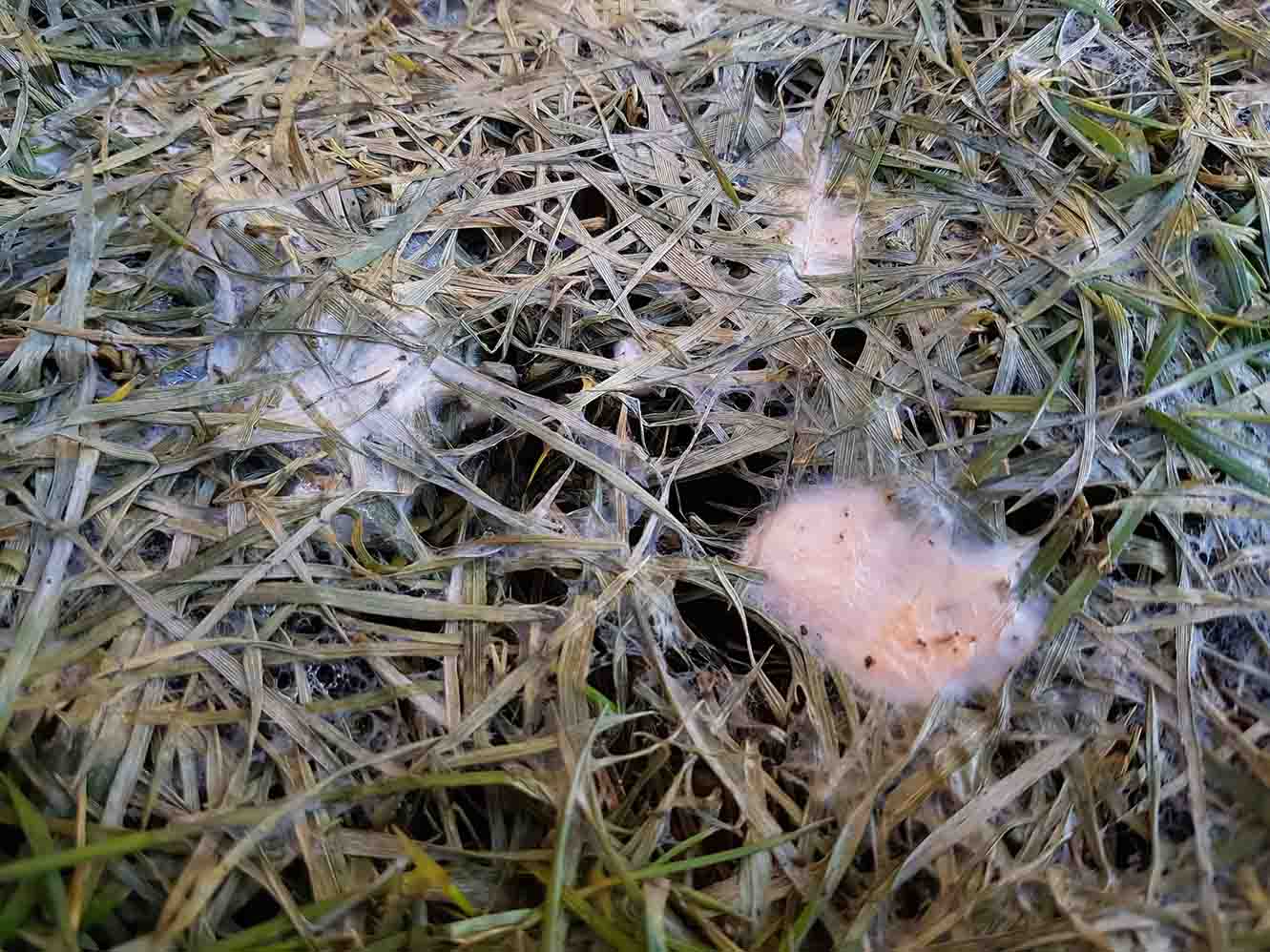
Pink snow mold, commonly associated with Microdochium nivale, is another cold-weather fungal disease that can affect New Jersey lawns. It is sometimes called Microdochium patch and differs from gray snow mold in an important way: it does not require prolonged snow cover to develop.
The fungus can infect turf during cool, wet weather in fall, winter, and early spring. Snow cover can encourage an outbreak, but extended periods of rain, heavy dew, and damp conditions may also create an opportunity for infection.
This makes pink snow mold particularly relevant in New Jersey, where winter temperatures and precipitation can fluctuate considerably. A lawn does not necessarily need to spend weeks beneath snow for this disease to appear.
Common symptoms of pink snow mold include:
Unlike gray snow mold, pink snow mold can attack more than the upper portions of grass blades. Under favorable conditions, the fungus may damage the crowns and roots, increasing the likelihood that individual grass plants will die.
This distinction makes pink snow mold a greater concern when infections are severe or persist for extended periods. While some affected sections may recover naturally, heavily damaged areas can require overseeding to restore healthy turf coverage. New Jersey homeowners should pay particular attention to pink snow mold when discolored patches continue expanding or grass fails to produce new growth as spring temperatures rise.
Gray Snow Mold
Pink Snow Mold
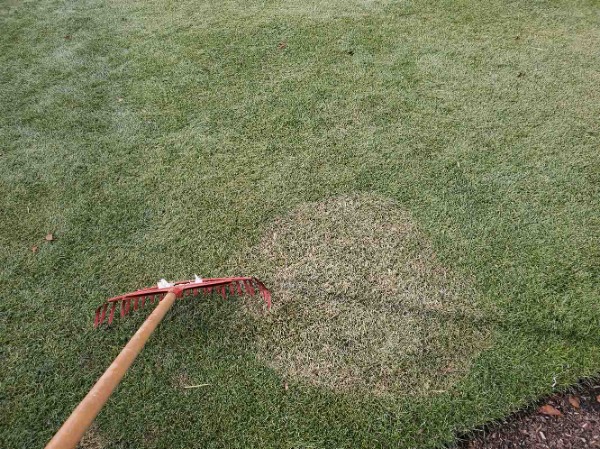
Break Up Matted Grass: Gently rake affected areas once the turf is dry enough to work with. This separates tangled grass blades, improves airflow, and helps remove dead plant material.
Allow The Soil To Dry: Avoid excessive irrigation while the lawn is recovering. Snow mold develops in cool, wet conditions, so allowing moisture to dissipate helps create a less favorable environment for continued fungal activity.
Avoid Heavy Foot Traffic: Walking or driving over wet, weakened turf can cause additional damage and compact the soil. Give affected sections time to recover before resuming normal lawn activities.
Evaluate Thin Or Bare Areas: Once spring growth begins, look for sections that have failed to fill in. Severely damaged areas may benefit from overseeding to restore turf density.
Resume Fertilization Appropriately: Once the lawn is actively growing, an appropriate fertilization program can support new growth and help damaged sections recover.
The best time to start preventing snow mold is before winter arrives. Both diseases can take advantage of excessive moisture, matted grass, and improper fall maintenance, so preparing your lawn ahead of the first snowfall is important.
A few seasonal habits can make a difference:
Q: Which type of snow mold is more common in New Jersey?
A: Pink snow mold is generally more common in New Jersey because it can develop during cool, rainy weather without requiring snow cover. Gray snow mold is also possible, particularly following extended periods of snowfall.
Q: Can gray and pink snow mold develop in the same lawn?
A: Yes. Both diseases can affect the same lawn when environmental conditions are favorable. Different sections of turf may experience different types of snow mold depending on snow accumulation, moisture, and other conditions.
Q: Does snow mold mean my grass is dead?
A: Not necessarily. Gray snow mold typically damages grass blades while leaving the crowns and roots intact. Pink snow mold can cause more extensive damage, but many established lawns recover once temperatures rise and active growth resumes.
Q: Should I apply fungicide after discovering snow mold?
A: Usually not. Fungicides are generally more effective as preventative treatments applied before winter disease develops. Most residential lawns can recover with proper spring maintenance and favorable growing conditions.
Q: Can snow mold spread after the snow melts?
A: Gray snow mold generally becomes inactive once snow disappears and the grass dries. Pink snow mold can remain active during continued periods of cool, wet weather, even after snow cover is gone.
Q: When should I repair lawn damage caused by snow mold?
A: Wait until temperatures are consistently warmer and your grass has resumed active growth before evaluating the need for repairs. If affected areas remain thin or bare, overseeding during an appropriate growing window can help restore coverage.

Local lawn care services from a team that cares.