
Last Updated:
October 24, 2026
Cold weather doesn't necessarily mean lawn pests disappear. In New Jersey, many insects survive the winter by sheltering in soil, beneath fallen leaves, or within thatch and other protected areas around the yard. Some remain dormant until temperatures rise, while others continue developing slowly until conditions become favorable for activity.
Although you may not notice much pest activity during winter, the insects that survive can become a problem when spring arrives. The key is to focus on prevention and identify potential problems early rather than applying treatments without knowing which pests are present.
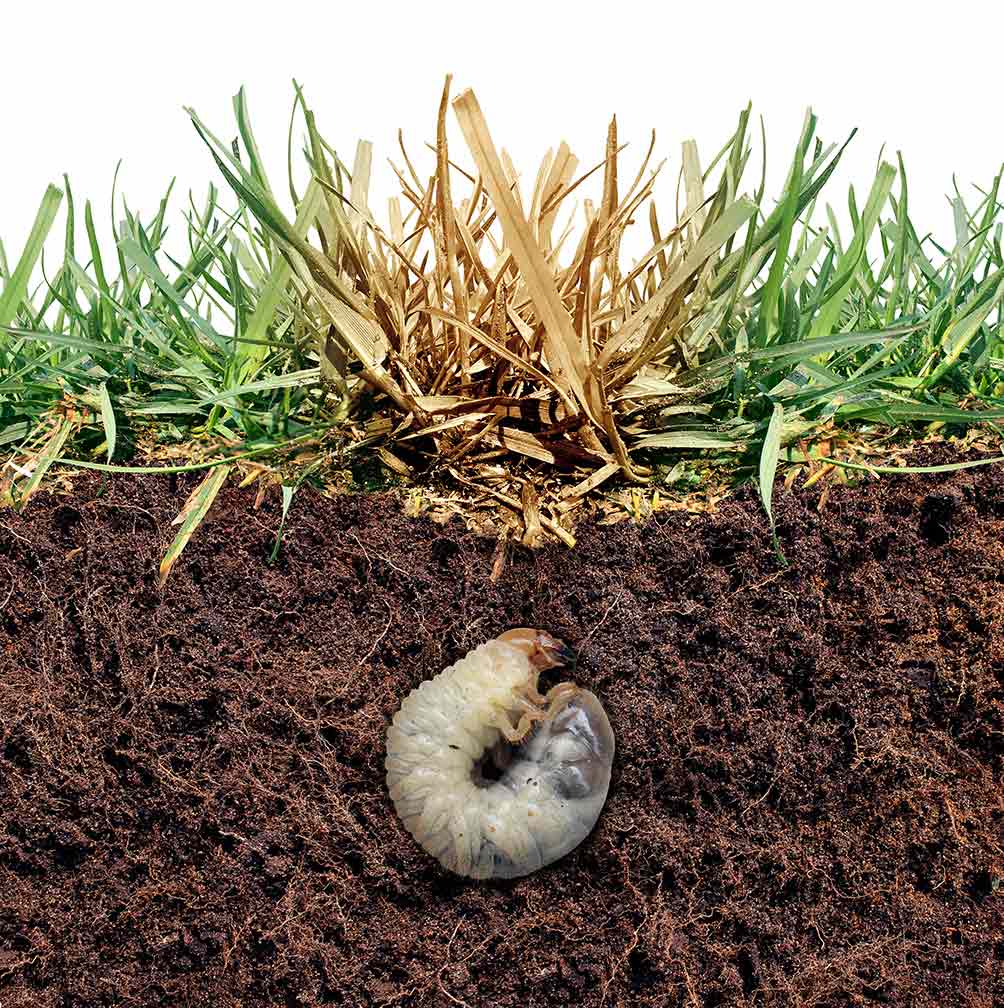
Several common lawn pests can survive New Jersey winters in different stages of their life cycles. Knowing which insects are likely to be present can help you determine what to look for and when to take action.
Not every New Jersey lawn will have these pests, and their activity varies by species, weather, and local conditions. Identifying the pest correctly is important because different insects require different management approaches.
Winter is a useful time to address the conditions that allow certain pests to shelter around your property. Although you may not be able to eliminate every overwintering insect, basic lawn maintenance can reduce hiding places and help your grass enter spring in better condition.
These practices support a healthier lawn while making it easier to identify emerging pest problems. Maintaining vigorous turf and using targeted pest management can be more effective than automatically treating the entire lawn.
Consider these steps as temperatures begin to drop:
Some insect damage becomes visible only after pests resume feeding in spring. However, inspecting your lawn periodically can help you identify suspicious changes and determine whether further investigation is necessary.
If you notice these symptoms, inspect the soil and roots before assuming insects are responsible. Grub populations can vary considerably across a lawn, so checking affected areas can help determine whether treatment is justified.
Look for these potential warning signs:
The best time to treat lawn pests depends on the insect species, its life stage, and the damage it can cause. Winter isn't automatically the right time to apply insecticides. Many products work best when a particular pest is active or vulnerable at a specific point in its life cycle.
For example, white grubs move deeper into the soil as it cools, then return toward the root zone as temperatures rise. Preventive grub treatments are generally timed for late spring or early summer, while other insects may require monitoring and treatment later in the season.
Overwintering pests can remain hidden while your lawn appears dormant, making prevention and monitoring important parts of year-round lawn care. Removing excess debris, maintaining healthy turf, and watching for recurring damage can help reduce pest-related problems when spring arrives.
If your lawn has a history of insect damage or you're unsure which pests may be present, professional lawn care can help you take a more targeted approach. Contact us today to learn about our lawn pest control services and request a free estimate.
Q: What Lawn Pests Overwinter in New Jersey?
A: White grubs, certain billbugs, chinch bugs, and sod webworms can survive winter in different stages of their life cycles. Ticks may also shelter in leaf litter around lawns and landscape borders.
Q: Can Lawn Pests Survive Freezing Temperatures?
A: Yes. Some insects survive cold weather by sheltering beneath the soil surface, within thatch, or under protective debris. Their ability to survive depends on the species, life stage, and local conditions.
Q: Should I Apply Insecticide to My Lawn During Winter?
A: Not necessarily. Many lawn pest treatments are most effective during specific stages of an insect's life cycle. Identify the pest and follow the appropriate treatment timing instead of applying insecticides automatically.
Q: Does Raking Leaves Help Prevent Lawn Pests?
A: Removing thick accumulations of leaves can reduce shelter for certain insects and improve airflow around the grass. However, leaf removal alone won't eliminate pests living in the soil or other protected areas.
Q: How Can I Tell If Lawn Pests Are Damaging My Grass?
A: Look for thinning turf, irregular brown patches, grass that lifts easily, or animals digging into the lawn. These signs can have other causes, so inspect the roots and soil before deciding whether pest treatment is necessary.
Q: When Should I Start Checking for Lawn Pests in New Jersey?
A: Begin monitoring as temperatures rise in spring, especially in areas that experienced insect damage previously. Some pests become active earlier than others, so the best inspection schedule depends on the species you're concerned about.

Local lawn care services from a team that cares.