
Last Updated:
November 28, 2026
A lawn that looks healthy in spring can take a turn for the worse once New Jersey's summer heat and humidity settle in. One day the grass looks green and full, and the next, large sections seem to be turning brown overnight. While drought, insects, and other lawn problems can cause discoloration, a fungal disease called brown patch is another common possibility.
Brown patch is particularly troublesome for New Jersey homeowners because the fungus targets cool-season grasses that are commonly used throughout the state. Fortunately, there are ways to reduce the risk of infection, limit damage, and help your lawn recover.
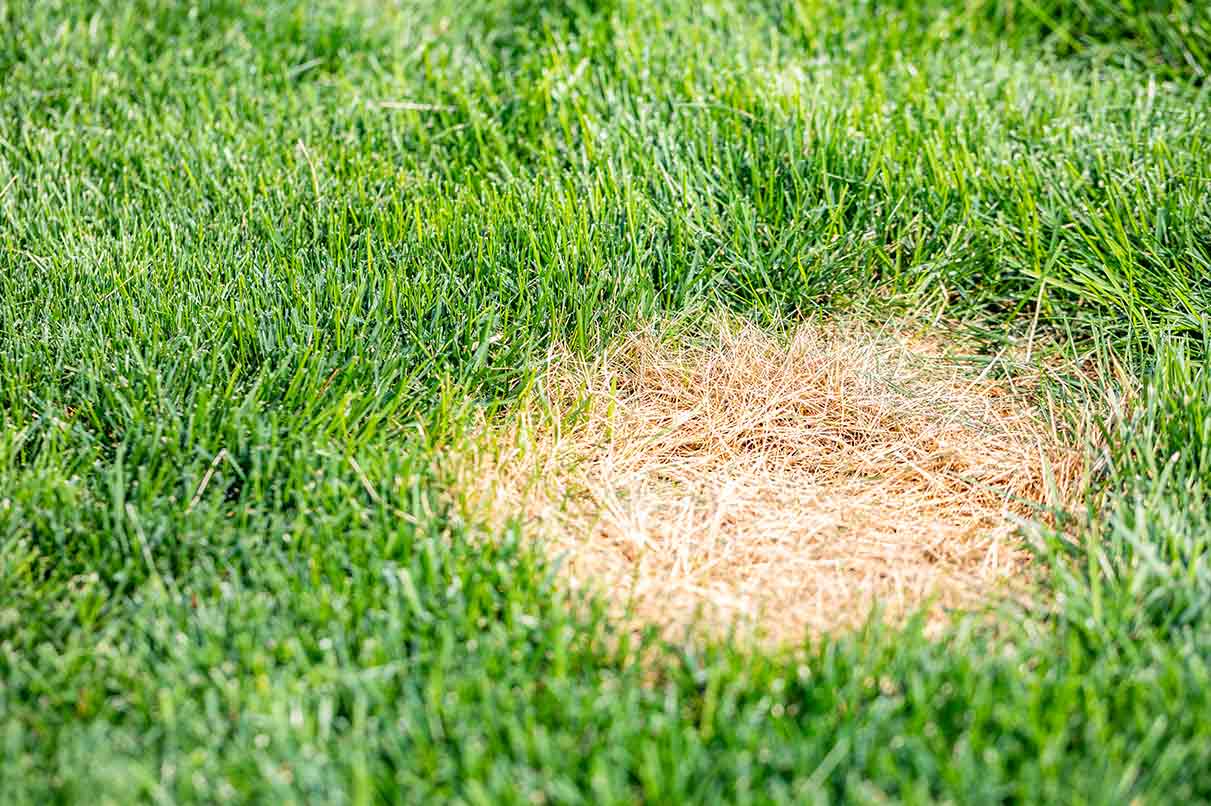
Unlike some lawn diseases that develop during cooler weather, brown patch becomes especially active when temperatures and humidity climb. Brown patch primarily affects cool-season grasses, including tall fescue, Kentucky bluegrass, and perennial ryegrass. The same Rhizoctonia solani fungus can also cause large patch disease in certain warm-season grasses.
New Jersey summers provide plenty of opportunities for this to happen. Daytime temperatures above 80°F, nighttime temperatures above 65°F, and frequent periods of humidity create an environment where the fungus can thrive.
A few conditions that increase the likelihood of brown patch include:
Moisture is particularly important. Grass blades that remain wet for extended periods are more susceptible to infection. This is why brown patch frequently develops after stretches of rainy weather or when homeowners water their lawns too frequently.
Some maintenance practices can make a lawn even more vulnerable. For example, excessive nitrogen encourages rapid grass growth, which can increase susceptibility to fungal problems. Compacted soil, inadequate drainage, and improper mowing can also contribute to unhealthy turf.
Brown patch primarily attacks the grass blades rather than the roots or crowns of the plant. The fungus damages the leaf tissue, creating lesions that interfere with the grass's ability to function normally.
As more blades become infected, the affected sections gradually lose their green color. This can leave the lawn looking thin, uneven, and unhealthy. Although the roots often remain intact, severe infections can reduce turf density enough to create larger areas that struggle to fill back in.
This distinction is important because brown patch does not automatically mean your grass is dead. Healthy crowns and roots can produce new growth after the disease becomes inactive. However, lawns that experience repeated infections or additional stress may need overseeding to restore their appearance.
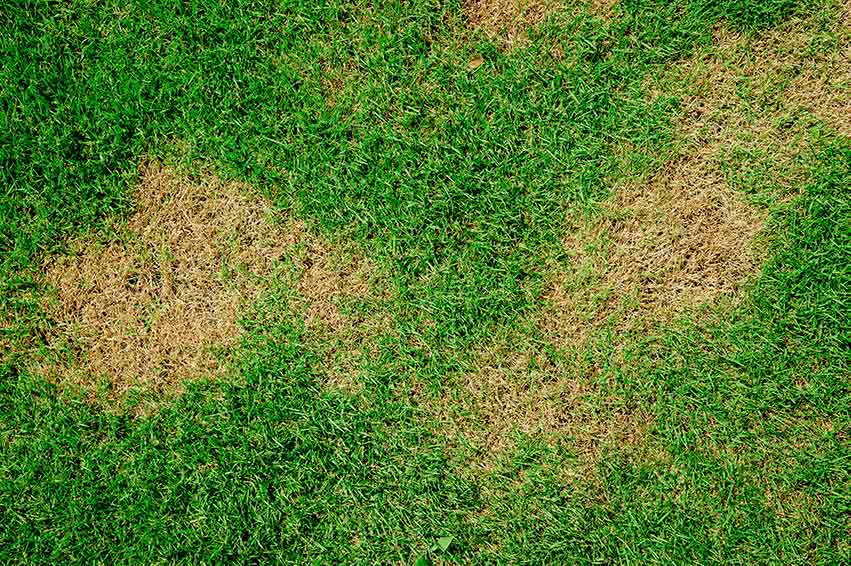
When brown patches begin appearing, homeowners sometimes respond with lawn care practices that unintentionally make the problem worse. Understanding what to avoid is just as important as knowing what to do.
1. Continuing To Water On A Rigid Schedule
Your lawn's water requirements change with the weather. Continuing to run sprinklers after heavy rainfall can leave the grass unnecessarily wet. Adjust irrigation based on recent precipitation and water when the lawn actually needs it.
2. Fertilizing To Encourage New Green Growth
Brown grass may tempt you to apply more fertilizer, but additional nitrogen during hot weather can encourage growth that is more susceptible to infection. Avoid using fertilizer as a quick fix for discolored turf.
3. Mowing Too Short
Scalping your lawn removes too much leaf tissue and puts additional stress on the grass. Follow the recommended mowing height for your variety and never remove more than one-third of the blade at once.
4. Ignoring Compacted Soil
Poor drainage can keep moisture around the grass for extended periods. Core aeration helps relieve compaction by creating openings that improve the movement of water, air, and nutrients through the soil.
5. Waiting Too Long To Investigate Discoloration
Not every brown spot is brown patch, but unexplained discoloration deserves attention. Early identification makes it easier to determine what is affecting your lawn and whether professional disease management is needed.
Preventing brown patch requires more than treating the grass after symptoms appear. A consistent lawn care routine can help keep turf healthy and reduce the conditions that allow fungal diseases to spread.
For New Jersey homeowners, a few maintenance priorities are particularly important during the summer:
Q: How quickly can brown patch damage a lawn?
A: Brown patch can spread rapidly when temperatures are high and humidity remains elevated. Small discolored areas may expand into larger patches, particularly when grass stays wet for extended periods.
Q: Why does brown patch appear in the same areas every summer?
A: Recurring infections may indicate underlying problems such as poor drainage, compacted soil, excessive shade, or irrigation issues. Correcting these conditions can help reduce the likelihood of another outbreak.
Q: Should I overseed my lawn after brown patch?
A: Overseeding may be beneficial if the disease has left large areas of thin or bare turf. However, it is important to address the fungal problem and wait for suitable growing conditions before introducing new grass seed.
Q: Is brown patch worse after heavy rain?
A: It can be. Extended periods of rainfall keep grass blades wet and increase humidity around the turf. These conditions can encourage fungal activity and allow existing infections to spread.
Q: Can professional lawn care prevent brown patch from returning?
A: Professional lawn care can help reduce the risk of recurring brown patch through proper fertilization, aeration, disease monitoring, and other maintenance practices. Fungicide applications may also be recommended when necessary, depending on the severity of the infection.

Local lawn care services from a team that cares.