
Last Updated:
May 22, 2026
At first glance, annual bluegrass (poa annua) may not even look like a weed. Its soft texture and bright green color can blend into turf temporarily, but as annual bluegrass spreads and produces seed heads, it starts creating an uneven and patchy appearance across the lawn.
One of the reasons annual bluegrass becomes so frustrating is how easily it adapts to weak lawn conditions. While many weeds peak during summer, annual bluegrass is most active during cooler parts of the year, which allows it to take advantage of lawns when growth naturally slows down. Let’s learn a bit more about finding and controlling this weed in your lawn.
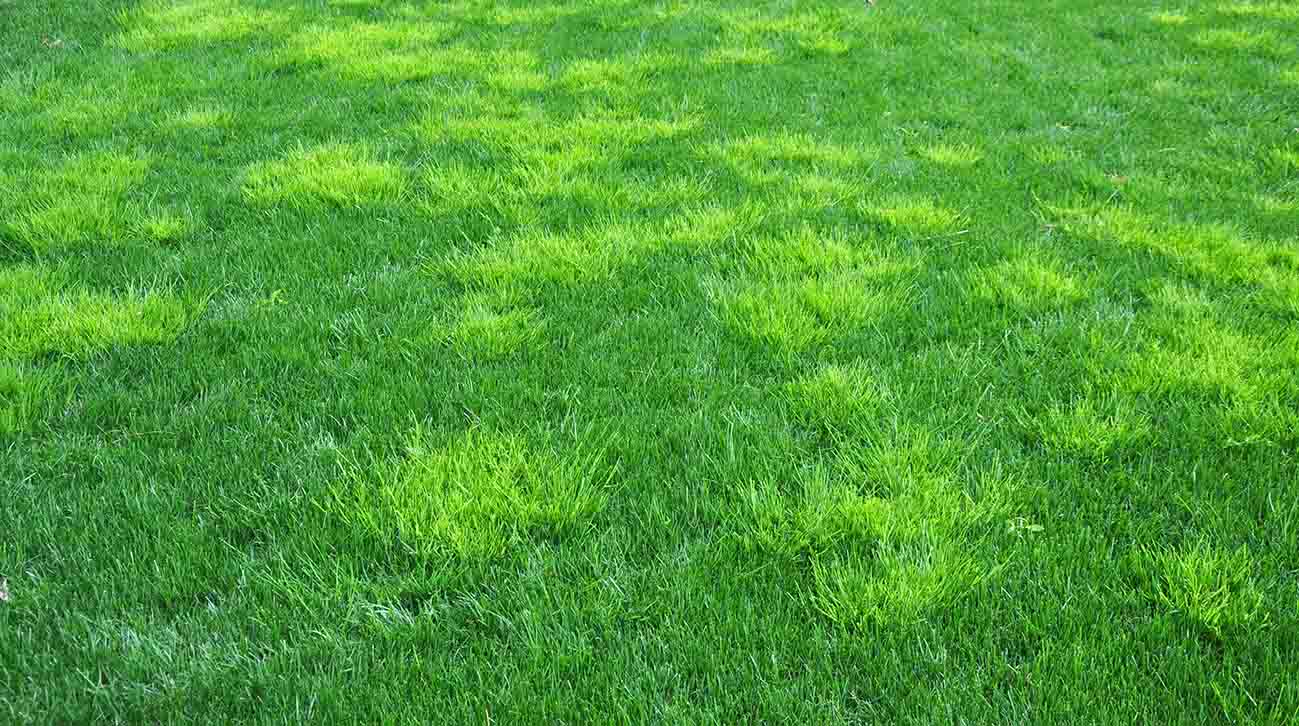
Annual bluegrass has a noticeably lighter color than many common turfgrasses, often appearing almost lime green in comparison. It usually grows in small bunches or scattered patches instead of forming a uniform lawn surface.
The blades are soft, narrow, and slightly curved at the tip. One of the easiest ways to identify annual bluegrass is by its seed heads, which can appear even when the lawn is mowed frequently. These pale-colored seed clusters tend to stand above the surrounding turf and become especially noticeable during spring.
Unlike many aggressive summer weeds that spread outward aggressively across the soil, annual bluegrass tends to develop in clusters that slowly expand over time. Common identifying characteristics include:
Annual bluegrass usually develops in areas where lawn conditions favor moisture retention and weak turf growth. Lawns with excessive irrigation, compacted soil, poor drainage, or shade problems are often the most vulnerable.
Because the weed prefers cool and damp environments, it frequently appears in low-lying areas where water collects or sections of lawn that stay shaded for long periods throughout the day. It can also invade lawns that are cut too short, since weakened turf creates more space for weeds to establish.
Homeowners often notice annual bluegrass becoming most visible in late winter and spring when desirable grasses have not fully resumed active growth. Areas that commonly develop annual bluegrass include:
Unlike warm-season weeds that emerge in spring and summer, annual bluegrass follows a cool-season growth pattern. Seeds typically begin germinating when temperatures cool during fall, allowing the weed to establish itself before winter arrives.
Once established, annual bluegrass continues growing throughout mild winter conditions and becomes especially active during spring. During this time, the plant produces large numbers of seed heads that allow future infestations to spread rapidly.
As temperatures rise later in the season, many annual bluegrass plants weaken and die off. Unfortunately, the seeds left behind remain in the soil and can germinate again once cooler conditions return. The general life cycle includes:
One of the most difficult aspects of annual bluegrass control is the sheer volume of seeds it produces. Even small patches can release enough seed to create widespread issues the following season.
The weed also benefits from lawn conditions that repeatedly favor germination. Excessive moisture, weak turf density, and soil compaction create ideal environments for seedlings to establish year after year. If those conditions are not corrected, annual bluegrass often becomes a recurring problem regardless of temporary removal efforts. Several factors contribute to repeat infestations:
Preventing annual bluegrass usually focuses on strengthening lawn conditions before cooler weather arrives. Thick, healthy turf naturally limits the amount of open soil available for weed seeds to establish.
Proper mowing practices are especially important. Maintaining the correct grass height encourages deeper roots and improves lawn density, while mowing too low weakens turf and exposes the soil surface.
Pre-emergent weed control products are also commonly used to prevent annual bluegrass germination. Since the weed begins developing during fall, treatments generally need to be applied before soil temperatures cool enough for seed germination. Helpful prevention practices include:
Once annual bluegrass becomes established, management often requires both weed control and improvements to overall lawn health. Small infestations may sometimes be removed manually, but widespread outbreaks usually require more extensive treatment strategies.
Because the weed spreads primarily through seed production, preventing seed development is one of the most important goals. Ignoring active infestations allows even more seeds to accumulate in the soil for future seasons.
After removal, repairing weak or bare lawn areas helps reduce the chances of reinfestation and encourages stronger turf recovery. To manage active annual bluegrass growth:
Q: Is annual bluegrass actually blue?
A: No. Despite its name, annual bluegrass usually appears light green or lime green compared to surrounding turfgrass.
Q: Why does annual bluegrass produce so many seed heads?
A: Annual bluegrass naturally produces seed heads very aggressively, especially during spring and mild weather conditions.
Q: Does annual bluegrass spread in summer?
A: Most annual bluegrass plants struggle during extreme summer heat, although seeds remain in the soil for future growth.
Q: Can shady lawns increase annual bluegrass problems?
A: Yes. Shaded areas often retain more moisture and develop thinner turf, creating favorable conditions for annual bluegrass.
Q: Will annual bluegrass go away on its own?
A: Mature plants may die during summer, but the seeds left behind often lead to new infestations later.
Q: What is the best long-term defense against annual bluegrass?
A: Maintaining dense turf, correcting moisture issues, and applying properly timed pre-emergent treatments are among the most effective long-term strategies.

Local lawn care services from a team that cares.