
Last Updated:
June 13, 2026
Crabgrass is one of the most frustrating weeds homeowners deal with because it spreads quickly, thrives in difficult conditions, and can take over weak areas of a lawn before you even realize it’s there. Unlike healthy turfgrass that grows evenly and upright, crabgrass sprawls outward in thick clumps that disrupt the appearance and health of your yard.
Because crabgrass grows and spreads so aggressively, prevention and early identification are extremely important. The sooner it’s recognized, the easier it becomes to control before it turns into a larger infestation. Keep reading to learn how to control weeds like crabgrass in your lawn.
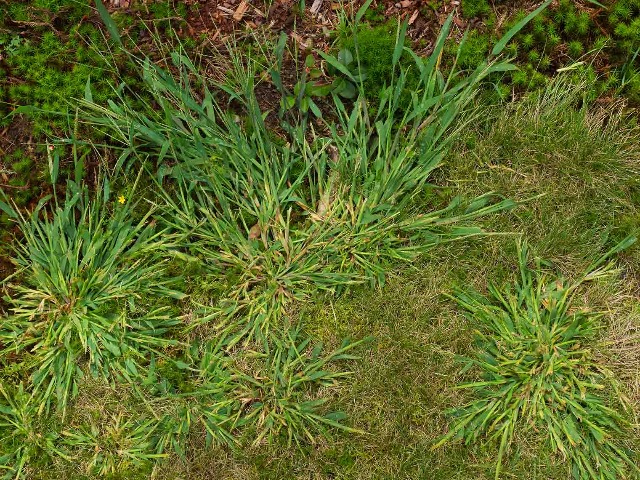
Crabgrass has several distinct characteristics that separate it from normal turfgrass. One of the easiest ways to recognize it is by its spreading growth pattern. Instead of growing vertically, crabgrass grows outward from a central point, creating a low-growing, circular shape that hugs the ground.
The blades are usually wider and coarser than traditional lawn grass, and the color often appears lighter green than the surrounding turf. As the plant matures, thick stems begin branching outward, and seed heads eventually form at the tips. These seed heads resemble several narrow fingers extending from one stem.
Crabgrass is most commonly found in stressed sections of lawn where grass coverage is thin or damaged. Areas along driveways, sidewalks, and heavily trafficked sections of turf are often among the first places it appears. To help identify crabgrass, look for:
Although many people group all crabgrass together, there are actually multiple species commonly found in lawns. The two most widespread varieties are smooth crabgrass and large crabgrass. While both behave similarly, their appearance differs slightly.
Smooth crabgrass tends to stay lower to the ground and develops narrower blades. Its stems may appear slightly reddish near the center of the plant, especially during warmer weather. As its name suggests, this variety usually lacks noticeable hairs on the leaves and stems.
This type is commonly found in lawns with thin turf coverage and full sun exposure.
Large crabgrass grows taller and produces wider leaves than smooth crabgrass. Fine hairs are often visible along the stems and leaf surfaces, giving the plant a rougher texture overall. This variety is especially aggressive during periods of extreme summer heat.
Because it spreads rapidly, large crabgrass can quickly dominate weak areas of turf if not addressed early. To distinguish between the two:
Crabgrass is a warm-season annual weed, meaning it completes its entire life cycle within one growing season. While the mature plant dies after frost, the seeds it leaves behind survive through winter and germinate the following spring.
The growth cycle usually begins in late spring when soil temperatures warm enough for germination. Once seedlings emerge, crabgrass grows rapidly during summer, especially in lawns exposed to full sunlight and heat stress.
As the plant matures, it begins producing seed heads capable of releasing thousands of seeds into the soil. These seeds remain dormant until favorable growing conditions return, allowing the cycle to repeat year after year. To understand how crabgrass spreads:
Healthy lawns naturally resist weeds because thick turf blocks sunlight from reaching the soil surface. Crabgrass struggles to establish in dense grass, but lawns weakened by stress create ideal opportunities for invasion.
Improper mowing is one of the biggest contributors to crabgrass problems. Cutting grass too short exposes more soil to sunlight and weakens root systems, creating the perfect environment for weed germination. Compacted soil, inconsistent watering, and drought stress can also reduce turf density and make lawns more vulnerable.
Once crabgrass appears, it often spreads quickly through these already weakened areas, further stressing the surrounding grass. Common lawn conditions that encourage crabgrass include:
Preventing crabgrass is usually much easier than removing mature plants later in the season. A strong lawn care routine focused on turf health is one of the most effective defenses against invasion.
Maintaining taller grass heights helps shade the soil and reduces the amount of sunlight crabgrass seeds receive. Overseeding thin areas also improves lawn density, making it harder for weeds to establish. Many homeowners also rely on pre-emergent weed control products to stop crabgrass before it germinates.
Proper watering and fertilization practices strengthen turfgrass roots and improve the lawn’s ability to naturally crowd out weeds. To help prevent crabgrass:
Once crabgrass matures, control becomes more difficult, but there are still several effective ways to reduce its spread. Younger plants are much easier to remove than mature ones that have already developed extensive root systems and seed heads.
Hand-pulling can work for small infestations, especially when the soil is moist and roots can be removed completely. Larger outbreaks may require targeted post-emergent weed control treatments. However, these products must be used carefully to avoid damaging surrounding turfgrass.
Long-term success depends on improving overall lawn health after removal. If bare spots remain untreated, crabgrass often returns the following season. To control active crabgrass growth:
Q: Is crabgrass a weed or a type of grass?
A: Crabgrass is considered a grassy weed because it grows aggressively and competes with desirable turfgrass.
Q: When does crabgrass usually appear?
A: Crabgrass typically begins germinating in late spring and becomes most noticeable during summer.
Q: Does crabgrass die in winter?
A: Yes. Mature crabgrass plants die after frost, but the seeds remain in the soil and return the following year.
Q: Why does crabgrass grow in bare spots?
A: Thin or exposed soil receives more sunlight, creating ideal conditions for crabgrass germination.
Q: Can mowing too short make crabgrass worse?
A: Yes. Scalping weakens turfgrass and exposes the soil, making it easier for crabgrass to spread.
Q: What is the best way to prevent crabgrass?
A: Maintaining a thick, healthy lawn combined with properly timed pre-emergent applications is one of the most effective prevention strategies.

Local lawn care services from a team that cares.