
Last Updated:
August 15, 2026
Dandelions are one of the most recognizable weeds found in residential lawns. Their bright yellow flowers make them easy to spot, but by the time they become visible, their roots may already be well established beneath the soil.
Although a few dandelions may seem harmless, they can spread throughout a lawn and become increasingly difficult to manage when left untreated. Recognizing and controlling dandelions early and maintaining dense, healthy turf can make a major difference.
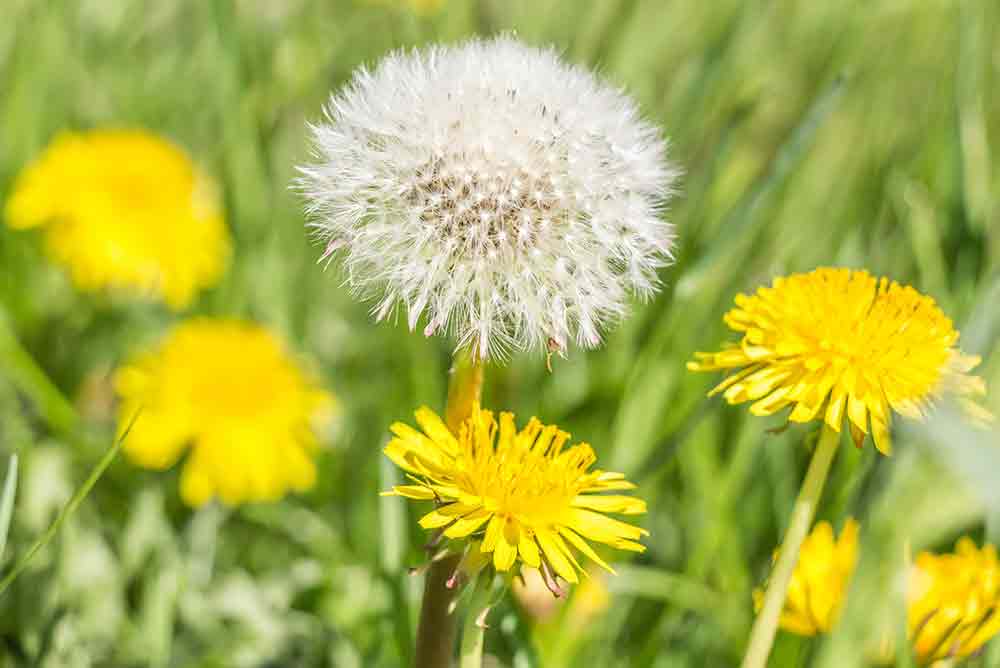
Dandelions are relatively easy to recognize because of their unusual appearance. The plant produces a low-growing cluster of leaves that spreads outward from a central point near the soil surface. The leaves are typically green and deeply lobed, with jagged edges that give them a distinctive appearance.
When mature, dandelions send up hollow flower stalks that rise above the surrounding grass. Each stalk produces a bright yellow flower. After flowering, the flower head changes into the familiar white, fluffy seed structure that allows the plant to spread through the wind.
Dandelions can appear throughout a lawn, but they are especially common where turf is thin, soil is disturbed, or growing conditions favor broadleaf weeds. To help recognize dandelions, look for:
Unlike some weeds that are only noticeable during a particular portion of the growing season, dandelions can remain present for much of the year. Understanding their growth stages makes it easier to determine when control efforts are most effective.
Dandelions begin as a small cluster of leaves emerging from the soil. These leaves remain close to the ground and can continue developing even when surrounding turf is relatively short. During this stage, the plant is establishing its root system and building energy for future growth.
Once mature, dandelions produce their familiar yellow flowers. Flowering can occur multiple times throughout the growing season when conditions are favorable. This stage is especially noticeable because the flowers can quickly make a lawn appear covered in weeds.
After flowering, the yellow bloom eventually transforms into a spherical seed head. Hundreds of individual seeds can be attached to the familiar white structure.
Once the seeds become airborne, they can travel considerable distances before landing in another lawn or exposed patch of soil. To recognize the basic dandelion cycle:
Dandelions are perennial broadleaf weeds, meaning individual plants can survive for multiple years rather than completing their entire life cycle in one season. Their long taproots allow them to remain established underground even when the visible portion of the plant is removed.
Seed production is another major reason dandelions spread so effectively. Once the flowers mature, lightweight seeds can be carried by wind and deposited throughout nearby lawns.
Dandelions are especially capable of establishing themselves in thin turf and exposed soil. When grass coverage is dense, there is less available space and sunlight for new seedlings. Weakened lawns, however, provide much easier opportunities for dandelions to become established.
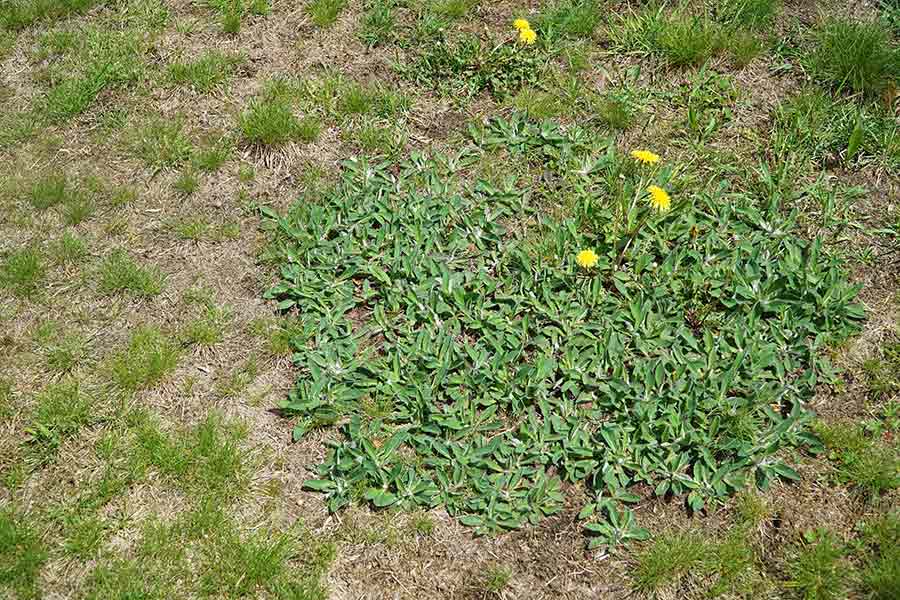
A dense stand of healthy turf is one of the best natural defenses against dandelions. Thick grass occupies available growing space, shades the soil surface, and makes it harder for weed seedlings to establish.
When turf becomes thin, the situation changes. Bare soil receives more sunlight and provides space for dandelion seeds to germinate. Poor mowing practices, drought, soil compaction, and inadequate nutrition can all contribute to declining turf density.
Dandelions can also take advantage of disturbed areas around sidewalks, driveways, landscaping beds, and other parts of the property where grass coverage may be limited. Common lawn conditions that favor dandelions include:
Keeping dandelions under control starts with creating conditions where desirable turfgrass can compete effectively. A thick, vigorously growing lawn leaves fewer opportunities for weeds to establish themselves.
Proper mowing is an important part of this process. Maintaining grass at the recommended height for its specific species helps preserve a stronger canopy and prevents excessive exposure of the soil surface.
Watering deeply and consistently can also encourage deeper root development, while appropriate fertilization supplies nutrients needed for healthy turf growth. Aeration can be useful when compacted soil is preventing grass roots from accessing water and nutrients. To help discourage dandelions:
A few individual plants can often be removed manually. The important part is to remove the entire taproot rather than simply breaking off the leaves and flower stalk. Leaving a significant portion of the root underground can allow the plant to regrow.
For larger infestations, selective broadleaf weed control can provide more practical results. These treatments are designed to target broadleaf weeds while minimizing damage to desirable turfgrass when applied according to the product's instructions.
Timing also matters. Treating young, actively growing dandelions is generally more effective than waiting until plants have produced mature seed heads. To manage existing dandelions:
Q: Are dandelions considered weeds?
A: Yes. Although dandelions are flowering plants that can be beneficial to pollinators, they are generally considered broadleaf weeds when they grow unwanted throughout residential turf.
Q: Why do I have so many dandelions in my lawn?
A: Dandelions often become more common when turf is thin or stressed. Bare soil, poor growing conditions, and seeds blowing in from nearby areas can all contribute to an infestation.
Q: Do dandelions come back every year?
A: Yes. Dandelions are perennial weeds, so established plants can survive from year to year. Their seeds can also produce new plants throughout the surrounding area.
Q: Does mowing get rid of dandelions?
A: Mowing can remove flowers temporarily, but it usually doesn't eliminate established dandelions because their roots remain underground.
Q: Should I pull dandelions by hand?
A: Hand-pulling can work for individual plants, especially when the soil is moist. Removing the entire taproot is important because leftover root sections can allow the plant to regrow.
Q: What is the best way to prevent dandelions?
A: Maintaining thick, healthy turf is one of the best long-term defenses. Proper mowing, watering, fertilization, aeration, and timely broadleaf weed control can all help reduce dandelion problems.

Local lawn care services from a team that cares.