
Last Updated:
March 14, 2026
Shrub trimming and shrub pruning are often talked about as if they mean the same thing, but they serve very different roles in landscaping. Trimming is a larger process of removing overgrowth and shaping the shrub, while pruning focuses on removing and cutting back individual branches that are unhealthy or undesirable.
Understanding the difference between trimming and pruning helps homeowners make better decisions for plant health and longevity.
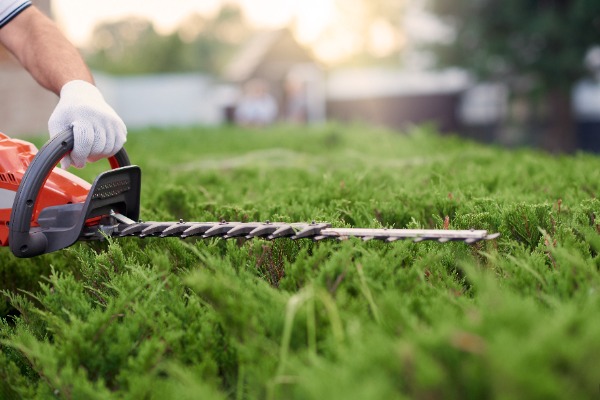
Shrub trimming is primarily an aesthetic maintenance practice. It involves cutting back the outer layer of growth to keep shrubs neat, uniform, and within their intended space. Trimming is commonly used on hedges, foundation plantings, and formal landscapes where clean lines and consistent shapes are important.
Because trimming works on the exterior of the shrub, it is often performed more frequently throughout the growing season. It does not address the internal structure of the plant, but instead manages visible growth that extends beyond the desired shape.
Shrub trimming is typically used to:

Shrub pruning is a more intentional and health-focused practice. Instead of cutting across the surface of a plant, pruning involves selectively removing specific branches to improve structure, airflow, and long-term growth. Pruning addresses issues that trimming cannot, such as dead wood, overcrowding, and poor branch placement.
Pruning is usually done less often than trimming, but its effects are far more significant. When done correctly, pruning strengthens shrubs, encourages healthy new growth, and helps flowering shrubs bloom more reliably.
Shrub pruning is typically used to:
The main difference between shrub trimming and shrub pruning lies in intent. Trimming is reactive and appearance-driven, while pruning is proactive and health-driven. Trimming responds to visible growth, whereas pruning anticipates how the shrub will grow in the future.
Trimming typically removes small amounts of soft growth across the surface of the plant, often using hedge shears or powered trimmers. Pruning, on the other hand, uses hand pruners, loppers, or pruning saws to make precise cuts deeper within the shrub. Each cut in pruning has a specific purpose, whether it’s reducing crowding, correcting growth direction, or eliminating stress points.
Timing is one of the most important factors in successful shrub care. Trimming can often be done as needed during the growing season, while pruning depends on the shrub’s growth and flowering habits.
General timing guidelines include:
A landscape that relies only on trimming may look tidy in the short term, but it often hides deeper problems beneath the surface. Shrubs that are never pruned tend to grow dense on the outside and weak on the inside, eventually declining in health. On the other hand, shrubs that are pruned but never trimmed may grow unevenly or appear unkempt.
The healthiest, most attractive shrubs are those that receive intentional pruning for structure and periodic trimming for refinement. Together, these practices extend the life of your plants, reduce pest and disease issues, and keep your landscape looking polished year-round.
Q: Is shrub trimming the same as pruning?
A: No. Trimming focuses on appearance and shape, while pruning focuses on plant health, structure, and long-term growth.
Q: Can trimming replace pruning?
A: Trimming cannot replace pruning. While trimming controls size and shape, pruning is necessary to remove dead or unhealthy growth and maintain proper structure.
Q: How often should shrubs be trimmed?
A: Trimming frequency depends on the shrub type and growth rate, but many shrubs benefit from light trimming several times during the growing season.
Q: How often should shrubs be pruned?
A: Most shrubs only need pruning once a year or less, depending on their growth habits and health.
Q: What happens if shrubs are never pruned?
A: Shrubs that are never pruned often develop weak interiors, poor airflow, increased disease risk, and uneven growth over time.
Q: Should I hire a professional for trimming or pruning?
A: Professional care is especially beneficial for pruning, as incorrect cuts or poor timing can damage shrubs and reduce flowering.

Local lawn care services from a team that cares.