
Last Updated:
September 12, 2026
New Jersey lawns deal with heavy foot traffic, compacted soil, summer heat, rainfall, and winter conditions. Over time, those pressures can make it harder for grass roots to get the air, water, and nutrients they need. Lawn aeration helps by opening small channels through the soil.
For most New Jersey cool-season lawns, the best time to aerate is late summer or early fall. This timing gives grass a chance to recover as temperatures moderate and growing conditions improve. Spring can also work in certain situations, but summer is usually not ideal. Let's learn more about proper timing for performing lawn aeration.
Cool-season grasses such as Kentucky bluegrass, perennial ryegrass, and tall fescue grow most actively when temperatures are moderate. That makes late summer and early fall a useful window for correcting compacted soil.
Aerating during this period also pairs well with overseeding. Once the soil has been opened, grass seed can make better contact with the soil surface and establish before winter.
For New Jersey homeowners, exact timing varies with location and weather. Northern and southern parts of the state do not always follow the same schedule, so it is better to watch the lawn than choose a date simply because it is on the calendar.
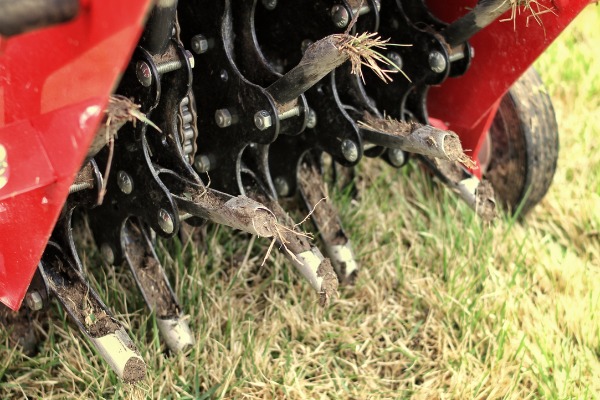
By the end of summer, traffic, mowing, dry conditions, and heavy rain can leave soil tight enough that water has trouble moving downward. Core aeration removes small plugs of soil, opening the roots and creating more room for roots to grow.
Aeration does not replace mowing, watering, or fertilization. It helps those practices work more effectively below the surface.
A lawn may benefit when you notice:
Spring is not automatically a bad time to aerate a New Jersey lawn. If soil is severely compacted or drainage is poor, aeration may be worthwhile when the ground is workable and grass has started active growth.
The main concern is what happens afterward. Spring lawns are also entering a period when weeds can become aggressive. Opening the soil can create opportunities for unwanted plants to establish, especially when turf is thin.
Spring aeration can make sense when:
Summer heat can make aeration harder on cool-season turf. Grass naturally slows down when temperatures are high, particularly during hot and dry stretches.
Aeration also disturbs the soil and creates openings in the lawn. Stressed grass may have a harder time recovering in midsummer.
If the lawn is already brown or dormant because of heat or drought, protecting the turf should take priority over mechanical work. Water management and basic turf care may need attention first.
Timing matters, but soil condition matters too. Aerating extremely wet soil can cause additional compaction, while very dry soil can make the job difficult.
After rain, watch how quickly water disappears. You can also push a screwdriver or soil probe into the ground. If the surface is unusually difficult to penetrate, compaction may be limiting root growth. Pay particular attention to high-traffic areas around play spaces, walkways, and driveways.
If your lawn has thin areas, fall aeration is often a good time to combine soil improvement with overseeding. The aeration holes give seed additional places to reach soil instead of remaining on top of dense turf.
This combination is especially useful for lawns that have lost density during summer. After aeration and seeding, consistent moisture is important while new grass germinates and establishes.
Mowing at an appropriate height, watering correctly, and providing adequate nutrients all help new grass compete and mature.
There is no universal schedule for every lawn. A lightly used lawn with loose soil may not need annual aeration. A heavily trafficked lawn with compacted or clay-heavy soil may benefit from more frequent attention.
Look for recurring signs of compaction and consider the condition of the roots. If water infiltration is poor, roots are shallow, or grass struggles in busy areas, aeration may be appropriate.
Professional evaluation can also help determine whether compaction is actually the problem. Thatch, drainage issues, pests, poor irrigation, and nutrient problems can produce similar symptoms.
For most New Jersey cool-season lawns, late summer into early fall is the strongest choice for aeration. Moderate temperatures, active root growth, and favorable conditions for overseeding make this period especially useful.
Spring can be appropriate for clear compaction problems, while summer is better spent protecting turf from heat and drought stress.
The right timing will not solve every lawn problem, but well-timed aeration can give grass a better growing environment from the soil upward.
Q: When Should I Aerate My Lawn in New Jersey?
A: Late summer and early fall are generally the best times for cool-season lawns because grass can recover and establish before winter.
Q: Can I Aerate My Lawn in the Spring?
A: Yes. Spring aeration can help lawns with significant compaction or drainage problems, although fall is usually preferable for overseeding.
Q: Should I Aerate Before or After Overseeding?
A: Aerate first, then overseed. The openings created during aeration give seed better access to soil.
Q: Is Summer Too Hot to Aerate a Lawn?
A: Often, yes. Cool-season grass may be stressed or dormant during hot, dry weather, which can slow recovery.
Q: How Do I Know If My Lawn Needs Aeration?
A: Hard soil, standing water, shallow roots, thin growth, and heavy traffic are common signs that compaction may be limiting the lawn.
Q: Does Every New Jersey Lawn Need Annual Aeration?
A: No. Frequency depends on soil conditions, traffic, lawn density, and recurring compaction. Some lawns benefit from annual service, while others do not need it as often.

Local lawn care services from a team that cares.