
Last Updated:
March 14, 2026
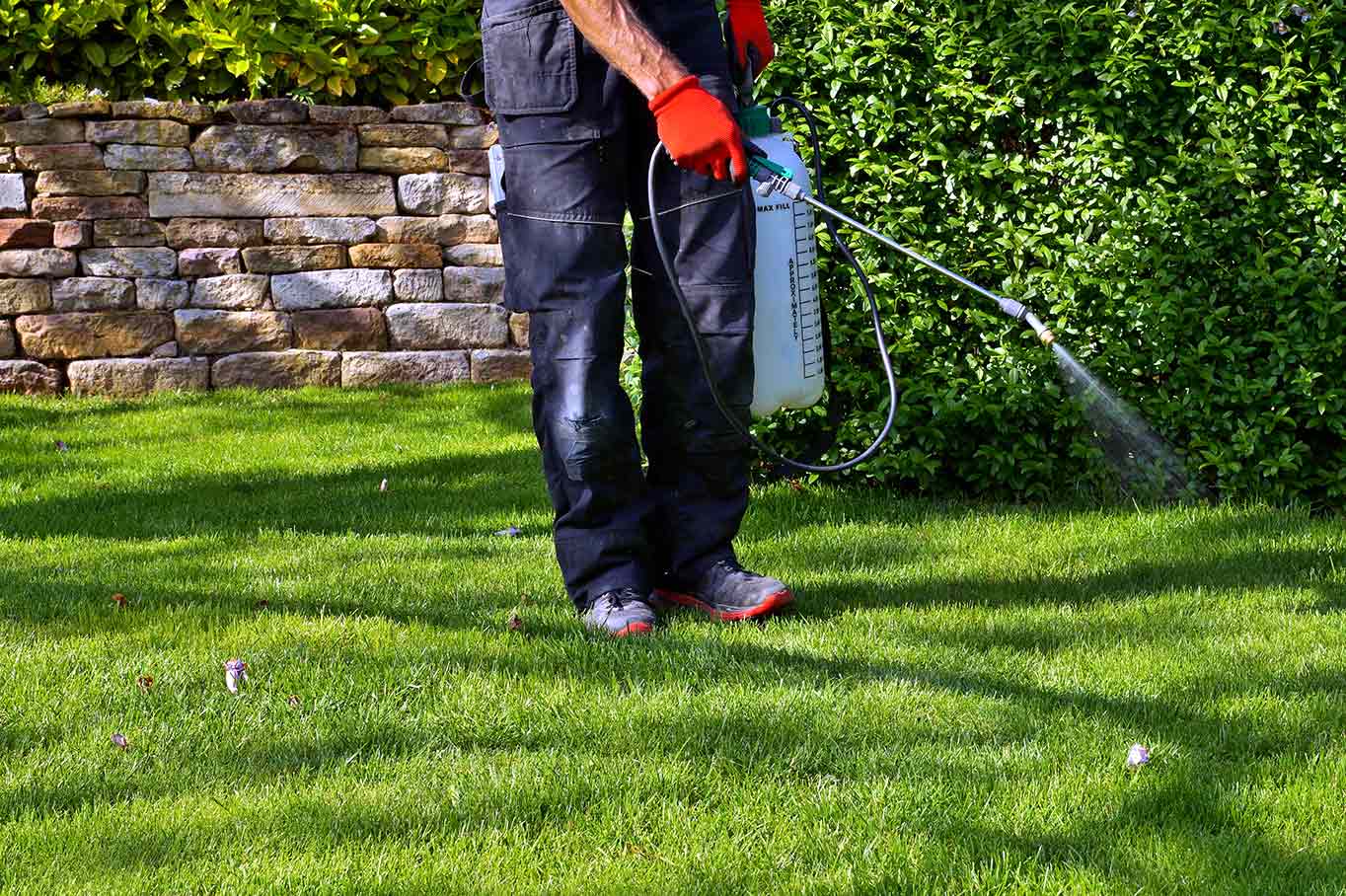
People often assume that simply applying weed control whenever weeds appear will solve the problem, but timing plays a major role in how effective these treatments actually are. Successful weed management depends on understanding when weeds are most vulnerable and applying the right type of treatment at the right moment.
If weed control is applied too early, too late, or during unfavorable conditions, the treatment may not work as intended. In some cases, mistimed applications can even harm the lawn itself. Learning how timing affects weed control can help you achieve better results while avoiding unnecessary work and frustration.
Pre-emergent weed control is designed to prevent weed seeds from germinating. It works by forming a barrier in the soil that disrupts the development of newly sprouting weeds before they ever appear above the surface. Because of this, pre-emergent products must be applied before weed seeds begin to germinate. If the weeds have already sprouted, pre-emergent products will have little to no effect.
Post-emergent weed control, on the other hand, targets weeds that are already visible and actively growing. These treatments work by either damaging the weed’s foliage or moving through the plant’s vascular system to kill it from the inside. Post-emergent herbicides are most effective when weeds are young and actively growing rather than mature or stressed.
One of the biggest influences on weed germination is soil temperature. Many common lawn weeds begin to sprout once the soil warms to a certain temperature range. Because soil warms gradually in spring, there is often a narrow window of time when pre-emergent weed control should be applied in order to prevent weeds from emerging.
If pre-emergent treatments are applied too early while soil is still cold, the protective barrier may weaken before weed seeds begin germinating. On the other hand, if the treatment is applied too late, weeds may already be sprouting and will bypass the barrier entirely.
Several factors influence soil temperature and weed germination timing, including:
When dealing with visible weeds, their stage of growth significantly affects how well post-emergent herbicides perform. Young weeds with small root systems are generally much easier to control than fully mature weeds.
Early-stage weeds actively absorb nutrients and moisture as they grow, which allows herbicides to move through their tissues more effectively. Once weeds become larger and more established, they often develop deeper roots and thicker leaf structures that can reduce herbicide absorption.
Applying post-emergent treatments earlier in the weed’s growth cycle usually results in faster and more complete control.
Weather plays a surprisingly large role in how well weed control treatments perform. Temperature, rainfall, humidity, and wind can all influence the effectiveness of herbicides once they are applied to a lawn.
Warm, moderate temperatures typically allow herbicides to work most efficiently because both grass and weeds are actively growing. However, weather extremes can reduce treatment performance or increase the risk of lawn stress.
Some of the most common weather-related factors that affect weed control include:
A lawn’s overall health also influences when weed control should be applied. Healthy, dense turf naturally competes with weeds by limiting the amount of sunlight, water, and nutrients available to them. In these lawns, weed control treatments tend to work more effectively because weeds are already under pressure from surrounding grass.
However, lawns that are thin, stressed, or struggling with drought may respond poorly to herbicide treatments. Applying weed control to a stressed lawn can sometimes worsen turf damage while doing little to stop aggressive weeds.
In many cases, improving lawn health through proper mowing, watering, and fertilization can enhance the effectiveness of weed control applications.
Applying weed control at the wrong time can lead to disappointing results and wasted effort. When treatments are mistimed, they may fail to target weeds during the stage when they are most vulnerable.
Pre-emergent herbicides applied too late allow weeds to emerge and grow normally. Once weeds are visible, these products can no longer stop them. Conversely, post-emergent treatments applied too early, before weeds have fully emerged, may miss the target entirely.
Mistimed weed control can also create additional problems for the lawn, including:
Q: What time of year is best for weed control?
A: It depends on the type of weed control being used. Pre-emergent treatments are typically applied in early spring and sometimes in fall, while post-emergent treatments are used when weeds are actively growing.
Q: Can weed control be applied in the summer?
A: Yes, but applications should be done carefully. Extreme heat can reduce effectiveness and may stress turfgrass if treatments are applied during the hottest parts of the day.
Q: Is it too late to apply pre-emergent once weeds appear?
A: Yes. Pre-emergent herbicides only prevent seeds from germinating. Once weeds have emerged above the soil, post-emergent treatments are required instead.
Q: Does mowing affect weed control timing?
A: Yes. Many herbicides work best when weeds have enough leaf surface for the product to stick to. Avoid mowing immediately before or after applying weed control.
Q: Should weed control be applied before or after rain?
A: It depends on the product. Some treatments benefit from light watering afterward, while heavy rain shortly after application can reduce effectiveness.
Q: How often should weed control be applied?
A: Most lawns benefit from multiple treatments throughout the year, typically combining spring and fall pre-emergent applications with targeted post-emergent treatments as needed.

Local lawn care services from a team that cares.