
Last Updated:
April 11, 2026
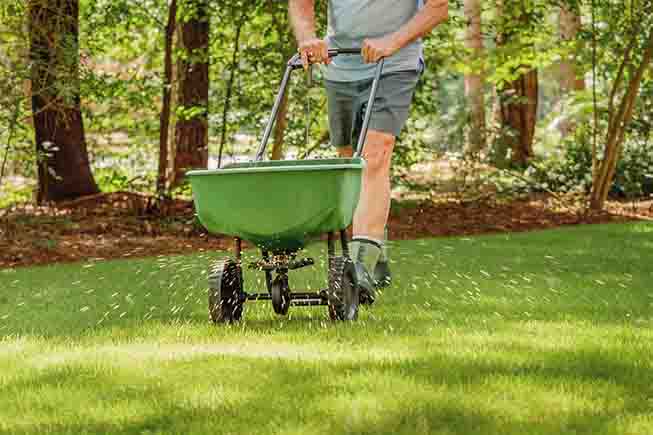
When overseeding is paired with aeration, the results are always maximized. Aeration physically opens up the soil by removing small cores, creating thousands of tiny channels where seed can settle, absorb moisture, and begin germinating with direct soil contact. Instead of sitting on top of compacted lawns, seeds dropped after aeration fall into holes in the soil for immediate access to water and nutrients.
Aeration and overseeding work together to produce thicker turf, faster establishment, and deeper root systems that last well beyond the initial application. Keep reading for more information on the best aeration and overseeding methods.
Compacted soil is one of the biggest barriers to successful overseeding. When soil is dense and tight, seeds struggle to make contact, roots have difficulty penetrating, and water tends to run off rather than soak in. Aeration solves these problems all at once by loosening the soil profile and creating an ideal environment for seed-to-soil interaction.
With aeration, overseeding becomes more efficient because fewer seeds are wasted and more of them successfully germinate. The holes left behind also act as protected micro-environments where seeds are less exposed to wind, birds, and surface drying. As a result, lawns that are overseeded after aeration typically fill in faster and develop a more uniform appearance compared to seeding alone.
Main Benefits Of Overseeding With Aeration:
When overseeding after aeration, fast-germinating grasses are often the most effective choice if you want to see quick improvement. Varieties like perennial ryegrass establish rapidly, often sprouting within days under proper conditions. These grasses take immediate advantage of aeration holes, anchoring quickly and stabilizing thin or worn areas before they have a chance to worsen.
Fast-germinating options are especially useful for lawns that need rapid thickening or erosion control. They act as a “first wave” of growth, helping protect slower-developing grasses while creating visible improvement in a short period of time.
While quick results are appealing, long-term performance depends heavily on root development. Turf-type tall fescue is a great example of a grass that pairs extremely well with aeration because its roots naturally grow deeper into the loosened soil profile. The channels created during aeration give these roots a head start, allowing them to establish more efficiently and access moisture further below the surface.
These deeper-rooted varieties tend to be more tolerant of drought, heat, and foot traffic once established. Overseeding with them after aeration creates a lawn that not only looks better but also holds up better over time.
Some grasses are known for their ability to spread and fill in gaps naturally. Kentucky bluegrass is a common choice in this category because it produces underground stems that allow it to expand outward over time. When overseeded into aerated soil, these grasses establish more easily and begin knitting together thin areas into a dense, uniform lawn.
Although they may take longer to fully establish compared to faster-germinating types, their ability to self-repair makes them a valuable part of any overseeding strategy following aeration.
In many cases, the most effective overseeding approach after aeration is to use a blend of different grass types rather than relying on a single variety. Seed blends combine the strengths of multiple grasses (fast germination, deep rooting, and spreading ability) into one application.
Aeration enhances the effectiveness of these blends by giving each seed type the environment it needs to thrive. Faster-growing grasses establish quickly, while slower varieties develop over time, resulting in a lawn that looks good early and continues improving as the season progresses.
Once aeration is complete, timing and technique play a major role in how well your overseeding performs. The goal is to capitalize on the brief window when the soil is loose and receptive to new growth.
The period after overseeding is when the real transformation begins, but it’s also when mistakes can undo progress. Newly germinated grass is delicate, and even with the advantages of aeration, it still needs proper care to mature successfully.
Mowing should resume only once the new grass reaches a height that matches the existing lawn. Cutting too early can pull seedlings out of the ground before their roots are secure. Watering should gradually shift from frequent, light applications to deeper, less frequent watering as the grass matures.
Fertilization can also support early growth, but it should be applied carefully and at the appropriate time. Avoid using weed control products too soon, as they can interfere with seed germination and damage young grass. With the right follow-up lawn care, overseeding after aeration typically produces a noticeably thicker and healthier lawn within several weeks.
Q: Should you always overseed after aeration?
A: Not always, but it’s highly recommended if your lawn is thin, patchy, or struggling. Aeration creates the perfect environment for seed to establish, so pairing the two services maximizes results.
Q: How soon should you overseed after aeration?
A: Immediately. The best time to spread seed is right after aeration while the soil is still open and exposed, allowing seeds to fall directly into the holes.
Q: How long does it take to see results from overseeding after aeration?
A: You may start to see germination within 5 to 14 days, depending on the grass type. Full thickening and noticeable improvement typically develop over several weeks.
Q: Do you need to pick up the plugs after aeration before overseeding?
A: No, the soil plugs can be left on the lawn. They break down naturally and help return nutrients to the soil while protecting newly spread seed.
Q: Can you fertilize at the same time as overseeding and aeration?
A: Yes, applying a starter fertilizer during or shortly after overseeding can support early growth. Just avoid weed control products that may interfere with seed germination.
Q: How often should you aerate and overseed your lawn?
A: Most lawns benefit from aeration and overseeding once per year, especially if they experience heavy use or soil compaction. In less demanding conditions, every 1–2 years may be sufficient.

Local lawn care services from a team that cares.