
Last Updated:
October 24, 2026
Fallen leaves may look harmless, but allowing them to accumulate on your lawn can create problems as temperatures drop. A light scattering of leaves usually isn't a concern, but thick layers can block sunlight and limit airflow around the grass. These conditions make it harder for your lawn to remain healthy as it prepares for winter.
Regular leaf removal helps keep grass exposed to the light and air it needs during the fall. It also gives you an opportunity to spot lawn problems before winter arrives, making cleanup an important part of seasonal lawn maintenance.
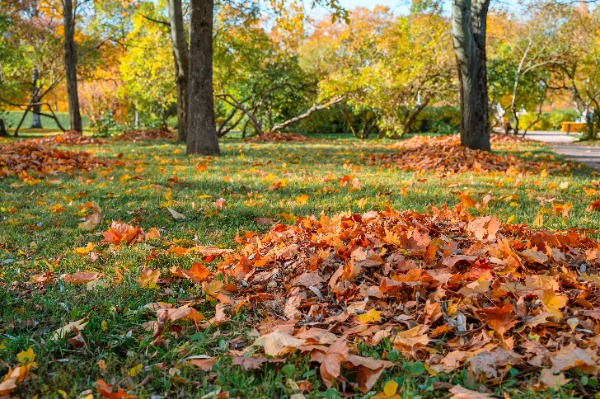
Leaves gradually break down as they decompose, returning organic matter to the soil. However, a thick layer can take longer to break down than many homeowners expect. Wet leaves can also become matted together, creating a dense covering that restricts the conditions grass needs to survive.
Several problems can develop when fallen leaves aren't removed:
Fall cleanup does more than improve the appearance of your property. Removing fallen leaves helps protect existing grass and prepares the lawn for its next growing season.
Here are some of the main benefits of regular leaf removal:
Raking isn't the only way to manage fallen leaves. Depending on the amount of debris and the condition of your lawn, mulching leaves with a mower may also be an effective option. The right approach depends on how many leaves have fallen and whether they can be chopped into small pieces without covering the grass too heavily.
Mulched leaves can contribute organic matter and nutrients as they decompose. However, they should be chopped finely enough to settle between grass blades rather than forming a thick layer on the surface. If the lawn is heavily covered, removing some or all of the leaves is generally the better choice.
You can also combine both methods by mulching a light covering and raking up the remaining debris.
The best time to rake depends on how quickly leaves accumulate on your property. Some trees drop most of their leaves over a short period, while others shed gradually throughout the fall.
Instead of waiting for the end of the season, monitor the lawn and remove leaves whenever the covering begins to block the grass. Wet weather can make this especially important because moisture causes leaves to stick together and become more difficult to manage.
Keep these guidelines in mind during fall cleanup:
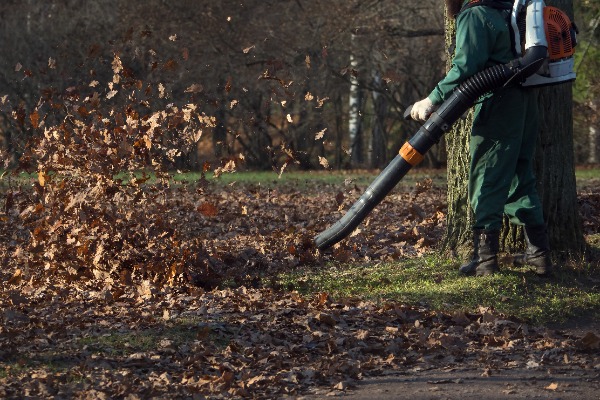
A few simple adjustments can make seasonal cleanup easier while protecting the lawn from unnecessary wear. The method you choose should account for the size of your property, the number of trees, and the condition of the grass.
Follow these tips for better results:
Removing fallen leaves is a simple but important part of preparing your lawn for winter. By preventing thick layers of debris from covering the grass, you help maintain healthier growing conditions and reduce the chance of moisture-related problems.
If your property produces more leaves than you can comfortably manage, professional leaf cleanup can save time and help keep your lawn clear throughout the fall. Contact us today to learn more about our lawn maintenance services and request a free estimate.
Q: Why Is It Important to Rake Leaves Off Your Lawn?
A: Removing excess leaves prevents them from blocking sunlight and restricting airflow around the grass. It also helps limit prolonged moisture buildup that can contribute to lawn disease.
Q: Can Fallen Leaves Kill Grass?
A: Thick layers of wet leaves can weaken or kill grass by limiting light and trapping moisture. A few scattered leaves generally won't cause significant damage, especially when they're removed or mulched before accumulating.
Q: Is It Better to Rake Leaves or Mulch Them?
A: Both methods can work. Mulching is useful when leaf coverage is light enough for a mower to chop the debris into small pieces. Raking and removal are usually better when leaves are thick or heavily matted.
Q: How Often Should I Rake My Lawn in the Fall?
A: Rake whenever leaves begin accumulating into a layer that covers the grass. Properties with many trees may need several cleanups throughout the season, while others may require only occasional removal.
Q: Can Leaving Leaves on the Lawn Cause Snow Mold?
A: Thick, damp leaf layers can contribute to conditions that favor snow mold. Removing excess debris before winter helps reduce moisture retention around the turf, although snow mold can also develop without fallen leaves.
Q: When Should I Finish Raking Leaves Before Winter?
A: Ideally, remove remaining leaves before sustained freezing temperatures and snowfall arrive. Continue checking the lawn as long as trees are shedding and weather conditions allow for safe cleanup.

Local lawn care services from a team that cares.